
our services
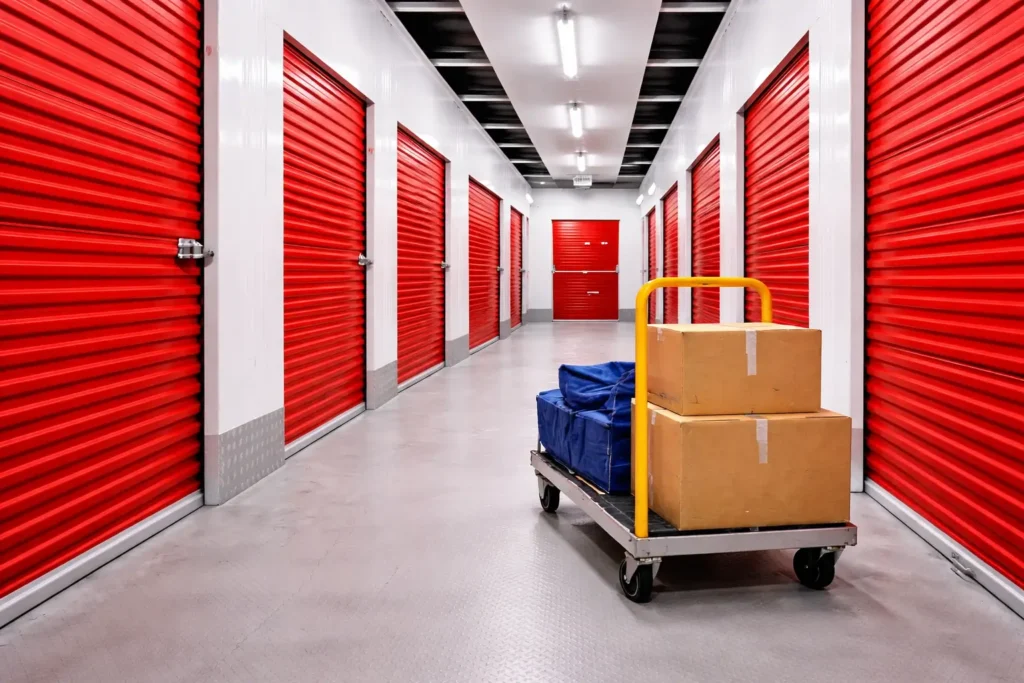
Book Your Storage Unit in Just a Few Clicks!
Dubai operates one of the most advanced traffic management systems in the world, designed to maintain smooth transportation flow across busy commercial and residential areas. To reduce congestion during peak traffic hours, authorities enforce strict no-entry regulations for trucks and commercial vehicles on selected roads throughout the city. These restrictions apply to logistics vehicles, heavy trucks, transport fleets, delivery vans, and certain commercial carriers operating during designated hours.
Businesses involved in logistics, warehousing, transportation, retail distribution, and inventory movement must fully understand these regulations to avoid severe financial penalties and operational disruptions. Companies relying on frequent transportation between warehouses and customer locations are especially affected by these rules, making route planning and timing management critical.
For businesses connected to the growing storage warehouse dubai industry, compliance with commercial vehicle timing regulations has become an essential part of daily operations. Storage providers, moving companies, and inventory management businesses all depend on efficient transport coordination to maintain customer satisfaction and avoid unnecessary legal complications.
At e-SELFSTORAGE, we understand how important operational efficiency is for businesses using professional storage and logistics solutions across Dubai.
Why Dubai Enforces No-Entry Restrictions for Commercial Vehicles

Dubai’s infrastructure supports millions of residents, tourists, and commercial operations every day. Heavy traffic congestion can negatively impact emergency services, public transportation, commuter movement, and business productivity. To maintain road safety and improve traffic efficiency, authorities introduced restricted timings that limit commercial vehicle movement during high-density hours.
Major roads including Sheikh Mohammed Bin Zayed Road, Emirates Road, Airport Road, Al Khail Road, and several urban corridors operate under controlled access schedules for heavy vehicles. Commercial transport operators are expected to follow designated routes and approved operational windows.
These regulations are especially important for businesses operating distribution centers and storage facility dubai locations because inventory transportation often depends on scheduled truck movement. Companies that fail to coordinate deliveries properly may experience delays, fines, and reputational damage.
The system also supports Dubai’s long-term smart city vision by reducing unnecessary road congestion and improving overall transportation efficiency.
Common Penalties for Violating Dubai No-Entry Rules
Commercial vehicle operators who enter restricted zones during prohibited hours can face significant penalties. Dubai authorities use advanced traffic monitoring systems, smart cameras, automated plate recognition technology, and digital enforcement systems to identify violations quickly.
The most common penalty is a financial fine imposed on the vehicle owner or transport operator. In many cases, violations result in fines starting from AED 1,000 depending on the road, timing, and severity of the offense. Repeat violations may result in higher penalties and stricter enforcement actions.
Black points may also be issued against the driver’s license. These points accumulate over time and can affect a driver’s legal driving status in the UAE. Multiple violations can increase operational risks for logistics companies and transport service providers.
For businesses operating within the storage company dubai sector, repeated transport violations can create serious operational inefficiencies. Delayed deliveries, legal complications, and increased transportation costs may negatively impact customer relationships and overall profitability.
Dubai authorities may also impound vehicles involved in repeated or severe violations, especially if public safety is compromised. Commercial fleet operators must therefore ensure that all drivers understand restricted routes and timing schedules before entering regulated zones.
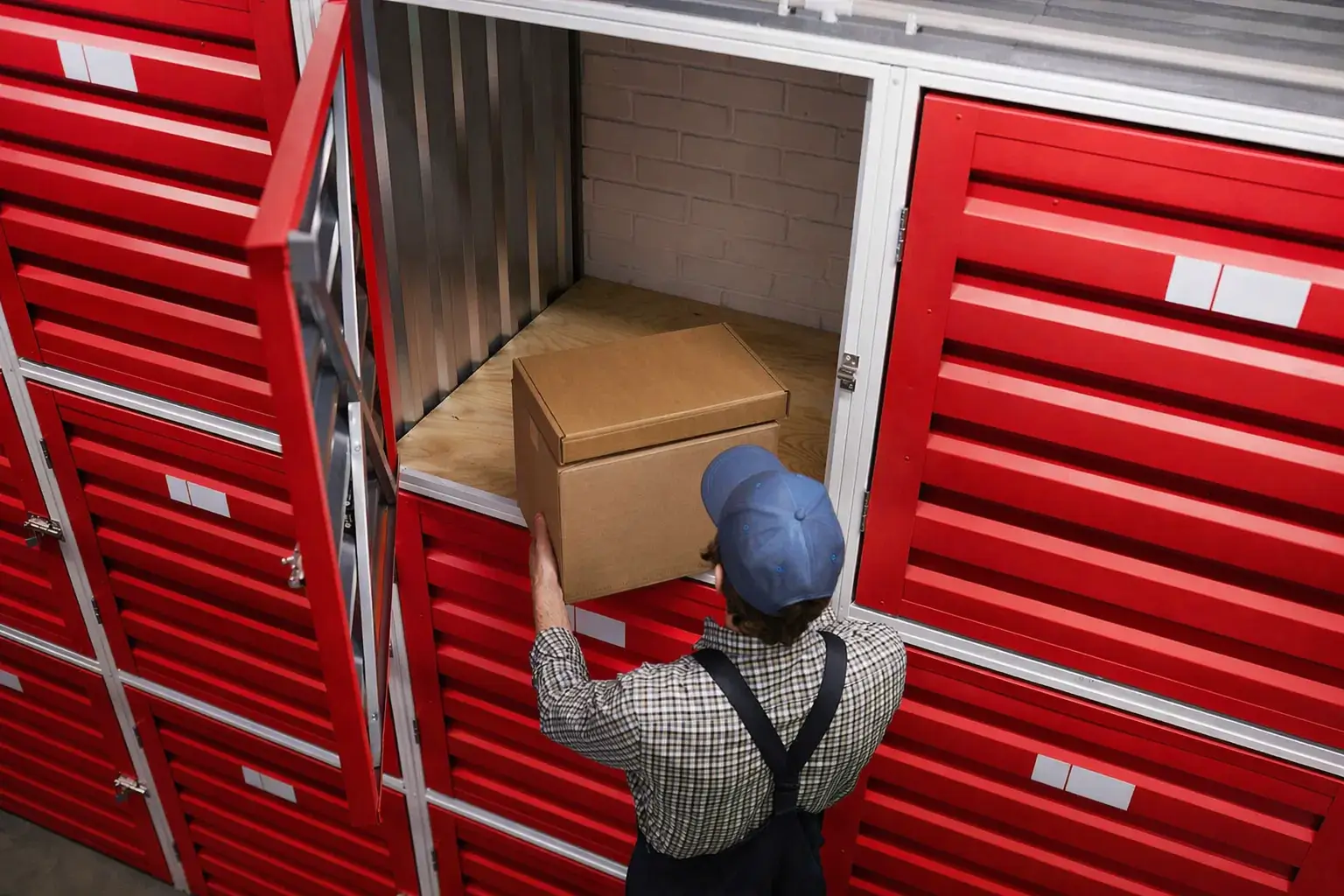
How Restricted Timing Violations Affect Businesses
The impact of no-entry violations extends far beyond simple fines. Businesses depending on transportation and logistics operations often face indirect financial losses caused by delayed shipments, interrupted supply chains, and customer dissatisfaction.
Companies managing inventory across multiple storage unit locations rely heavily on predictable transport schedules. A single restricted timing violation can disrupt delivery timelines, especially for businesses handling e-commerce orders, retail stock replenishment, or sensitive commercial goods.
Storage businesses also face operational complications when customer deliveries are delayed because of traffic restrictions. Clients using professional dubai storage services expect reliable inventory access and efficient logistics coordination. Any transportation disruption can reduce service quality and customer trust.
Additionally, insurance costs and fleet management expenses may increase if a company develops a history of traffic violations. Authorities may also increase scrutiny on repeat offenders, creating further operational pressure for commercial operators.
The Role of Smart Traffic Monitoring in Dubai
Dubai has invested heavily in smart transportation infrastructure to enforce road safety regulations efficiently. AI-powered surveillance systems and integrated monitoring technologies allow authorities to detect commercial vehicle violations automatically without requiring constant physical checkpoints.
These systems monitor vehicle type, route entry times, restricted zone activity, and traffic flow patterns in real time. As Dubai continues expanding its smart city initiatives, enforcement capabilities are becoming increasingly advanced and accurate.
Businesses operating warehouses and storage space for rent in dubai facilities must therefore adopt smarter transportation planning strategies. Companies can no longer rely on informal route management or manual scheduling methods. Digital fleet tracking, automated route planning, and compliance monitoring are becoming essential operational tools.
At e-SELFSTORAGE, we recognize how technology-driven logistics planning supports modern storage operations and helps businesses avoid unnecessary transportation risks.
How Businesses Can Avoid Commercial Vehicle Penalties
The best way to avoid restricted timing violations is through proactive operational planning. Businesses should analyze approved truck movement schedules carefully and coordinate inventory transportation during permitted hours.
Fleet managers must educate drivers about restricted roads, approved transport windows, and alternative routes available for commercial traffic. GPS systems and route optimization software can help prevent accidental violations.
Businesses operating large-scale storage warehouse dubai facilities should also maintain communication between warehouse teams, dispatch departments, and transportation providers to ensure smooth scheduling coordination.
Companies that require emergency or exceptional transportation access may need special permits from the Roads and Transport Authority depending on operational requirements. Staying informed about updated regulations is essential because restricted timings and designated routes may change periodically based on infrastructure development and traffic management needs.
Why Storage Businesses Must Pay Attention to Transport Regulations
Storage businesses are directly connected to transportation operations because customer inventory movement depends heavily on logistics efficiency. Whether customers are storing household belongings, retail inventory, office furniture, or commercial products, transportation coordination remains a central operational component.
A premium storage facility dubai provider must ensure that deliveries, pickups, and inventory transfers happen efficiently and legally. Delays caused by transport violations can negatively affect customer confidence and long-term business reputation.
Businesses searching for reliable cheap storage dubai options increasingly expect integrated logistics support alongside secure storage services. This means storage providers must not only offer physical space but also maintain smooth operational systems that comply with Dubai’s transport regulations.
The growth of e-commerce has made this even more important. Online retailers using professional storage services depend on timely inventory movement to fulfill customer orders quickly and efficiently.
The Future of Commercial Transport Compliance in Dubai
Dubai is expected to continue strengthening smart traffic enforcement systems as urban development and commercial activity expand further. Future regulations may involve more advanced AI-based monitoring, stricter environmental controls, and increased digital integration between transportation authorities and logistics operators.
Businesses operating within the storage company dubai sector must therefore invest in smarter operational planning, digital logistics management, and compliance-focused fleet coordination.
As customer expectations continue evolving, storage providers that combine secure facilities with efficient transportation support will stand out in the market. Companies offering advanced dubai storage services while maintaining full regulatory compliance will build stronger trust, improve operational efficiency, and achieve long-term business growth.
At e-SELFSTORAGE, we are committed to delivering modern storage solutions designed to support businesses and individuals with secure, efficient, and professionally managed services across Dubai.
