our services
Book Your Storage Unit in Just a Few Clicks!
Warehouses were built for storage.
Boxes in.
Boxes out.
Inventory managed.
Space optimized.
Simple.
Modern warehouse storage is changing that idea.
Because warehouses no longer store only things.
They store timelines.
Business transitions.
Future inventory.
Seasonal cycles.
Delayed decisions.
Operational memories.
The future warehouse may not be measured by square feet.
It may be measured by time.
This creates something new:
Warehouse Memory Architecture.
Warehouses Already Store Time
Think differently.
Archived inventory stores yesterday.
Seasonal inventory stores tomorrow.
Business stock stores future demand.
Warehouse space quietly becomes time infrastructure.
Every shelf represents a different moment.
Warehouses are already storing time.
We simply never called it that.
The Four Time Zones Of Warehouse Storage
Interesting model:
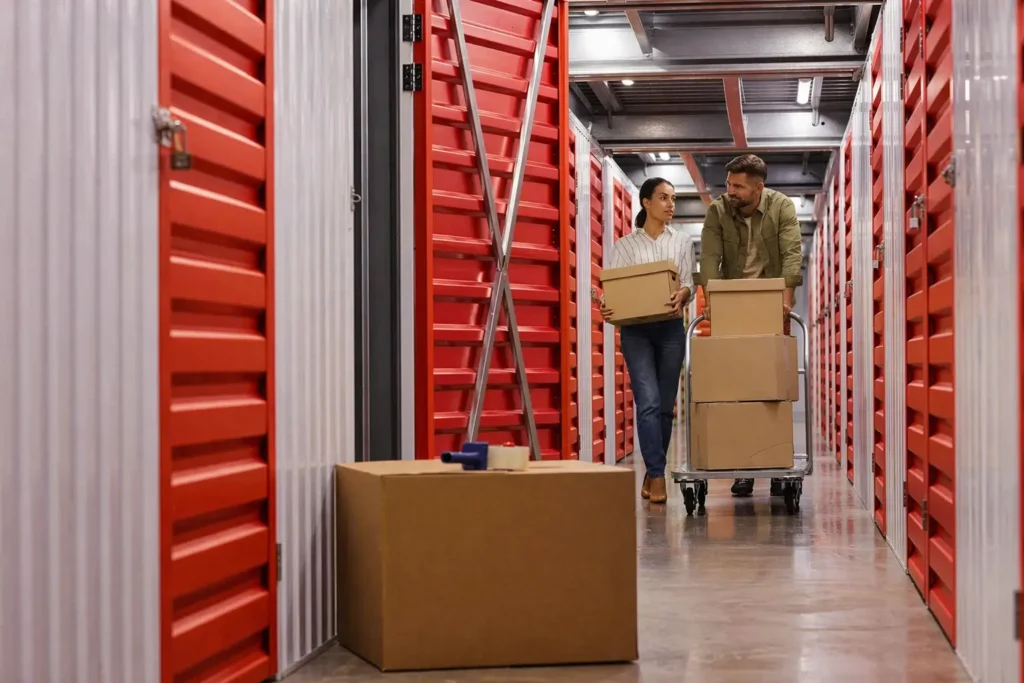
Modern warehouse storage Dubai environments increasingly support four timelines.
Past Storage → archives, documents, legacy inventory.
Present Storage → active stock, operational goods.
Future Storage → seasonal products, launch inventory.
Transition Storage → relocation, temporary stock movement.
Warehouses hold all four simultaneously.
Why Businesses Need Temporal Space
Traditional storage solves volume.
Modern warehouses solve timing.
Inventory arrives early.
Projects delay.
Seasonal demand shifts.
Businesses increasingly require warehouse storage solutions because time rarely moves linearly.
Warehouse space absorbs timing friction.
Warehouse Storage Is Becoming Business Memory
Interesting observation:
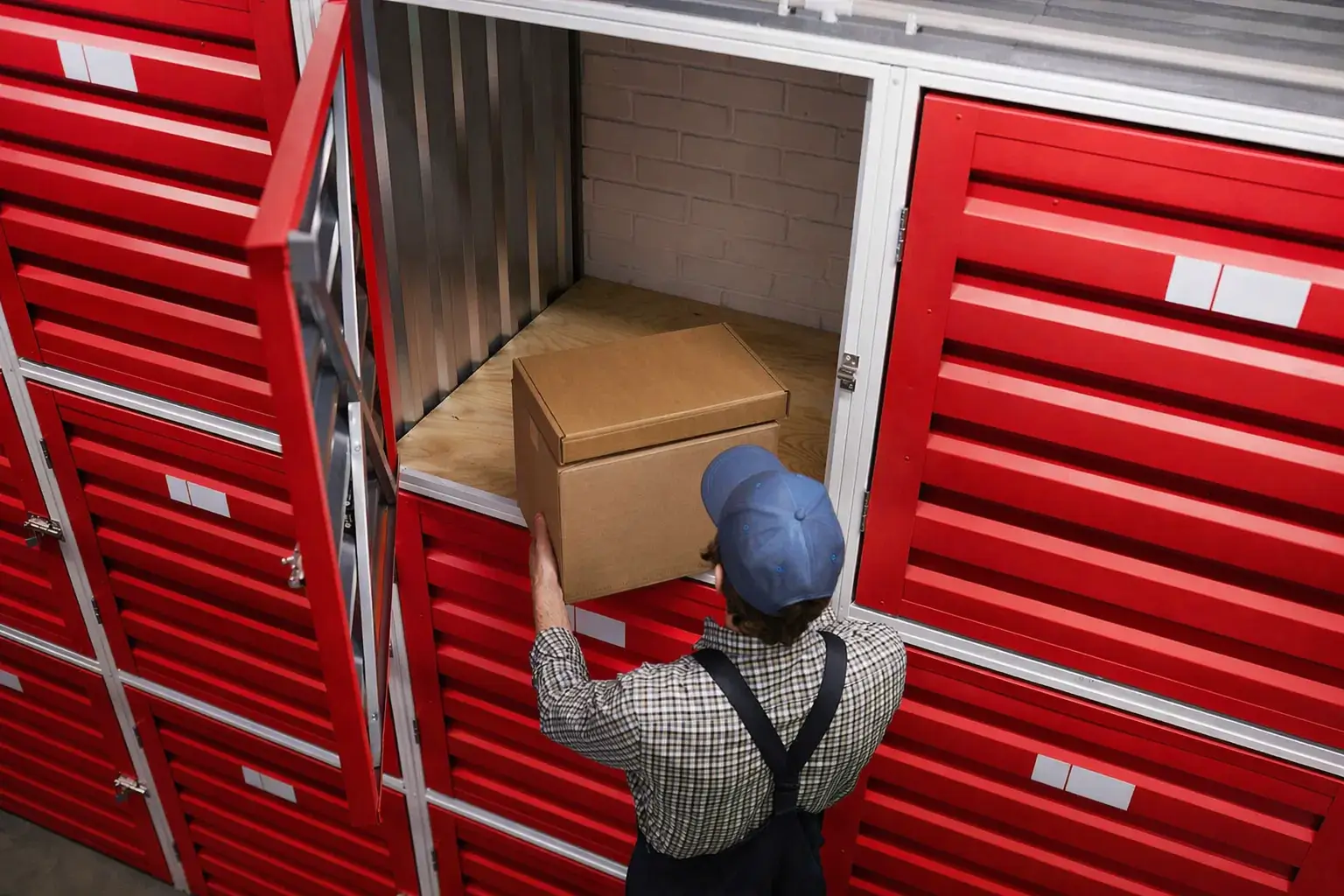
Warehouses remember operations.
Archived materials.
Product cycles.
Inventory evolution.
Growth stages.
Business history often lives inside storage.
Warehouse space becomes organizational memory.
The Rise Of Transitional Warehousing
Modern businesses move faster.
Expansion.
Relocation.
Market shifts.
Inventory changes.
This increases demand for adaptive warehouse storage Dubai environments.
Warehousing becomes transition infrastructure.
Not only logistics.
Conclusion
Warehouses never stored only inventory.
They stored timing.
Warehouse Memory Architecture changes how we understand storage.
Because the future warehouse may not organize products.
It may organize time.
