
our services

Book Your Storage Unit in Just a Few Clicks!
People remember homes.
But what if homes remember people too?
Not emotionally.
Spatially.
The chair always placed near the window.
The travel box never opened.
The guest room storing old furniture.
The shelf holding “future use” items for years.
Homes slowly adapt around belongings.
Rooms change purpose.
Movement changes.
Space changes.
This creates something unusual:
The Space Memory Loop.
A process where homes begin remembering objects long after people stop noticing them.
Homes Build Spatial Memories

Every item changes space.
Not only where it sits.
How the room functions.
A stored cabinet changes movement.
Archived boxes change accessibility.
Seasonal items change storage behavior.
Over time homes learn these positions.
The space reorganizes itself around inactive belongings.
This is not clutter.
It is spatial memory.
Why Rooms Keep Old Functions
Interesting observation:
Many rooms continue serving old purposes.
Former nursery rooms.
Old offices.
Unused guest spaces.
Stored furniture zones.
Life changes.
The room does not.
The belongings preserve the previous version of the home.
This strengthens the Space Memory Loop.
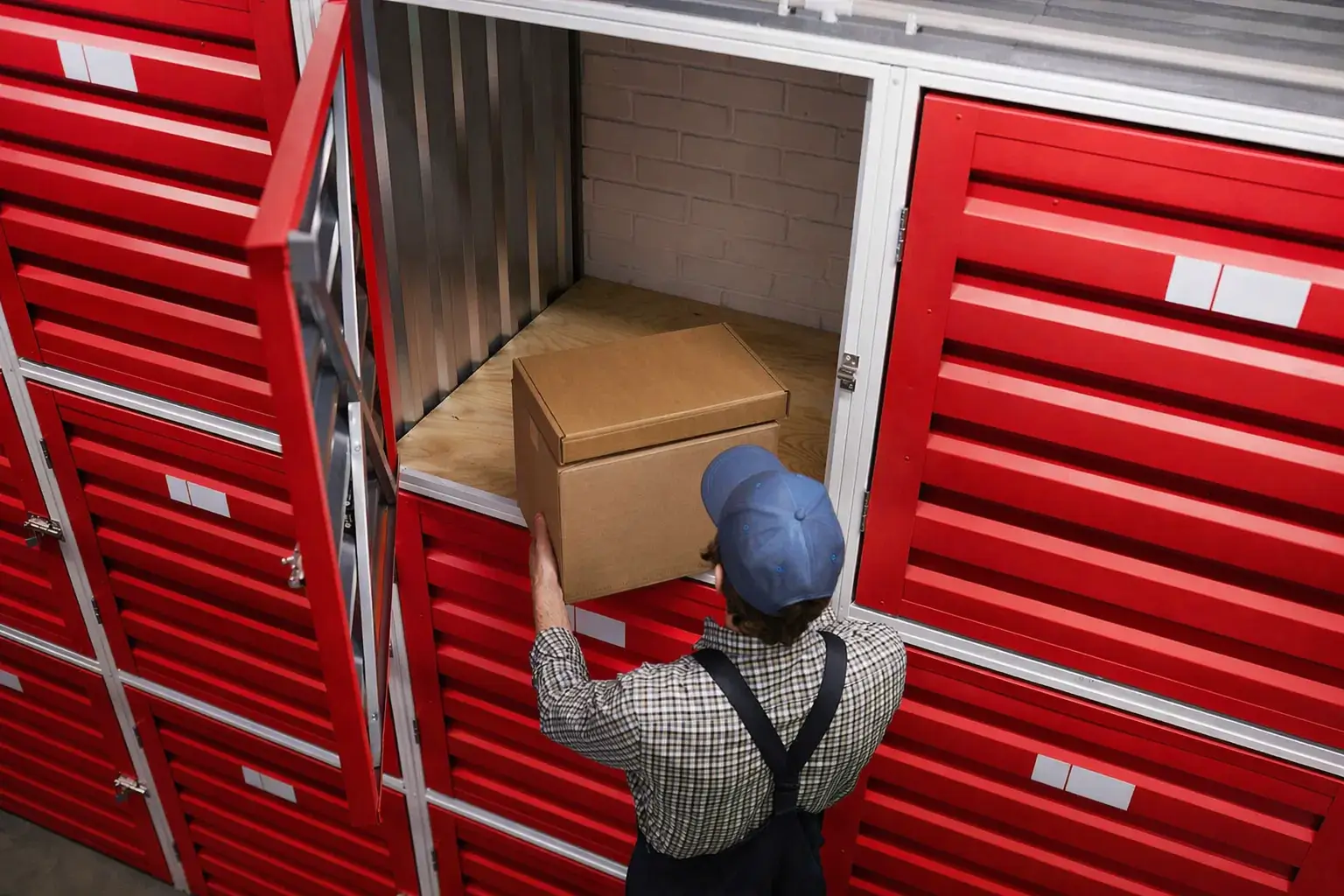
Mini Storage Creates Memory Distance
Interesting shift:
People increasingly use mini self storage not because they lack space.
Because they need distance.
Distance between:
Past life.
Present living.
Future plans.
Small storage creates emotional separation while protecting belongings.
Temporary Storage Interrupts The Loop
Modern life changes quickly.
Relocation.
Renovation.
Lifestyle resets.
Career shifts.
This creates temporary transitions.
Many families choose temporary self storage because temporary distance helps spaces adapt again.
Storage becomes reset space.
Conclusion
Dubai moves quickly.
Communities expand.
Families relocate.
Homes transform.
This creates stronger Space Memory Loops because life changes faster than interiors.
Demand for self storage in Dubai naturally grows in dynamic cities where people continuously evolve.
Homes remember more than people think.
They remember objects.
Functions.
Patterns.
The Space Memory Loop explains why rooms stay emotionally occupied.
Because sometimes homes are not full.
They are remembering.
And storage helps create new space for what comes next.
